Board of Supervisors

TL;DR The Loudoun County Board of Supervisors primarily controls zoning. While they cannot control transmission lines, or consider power, the lines are for data centers, so the decisions of the BOS have a huge effect. Their control over substation zoning affects transmission lines. Their control over property taxes also affects data centers.
https://www.loudoun.gov/86/Board-of-Supervisors
bos@loudoun.gov
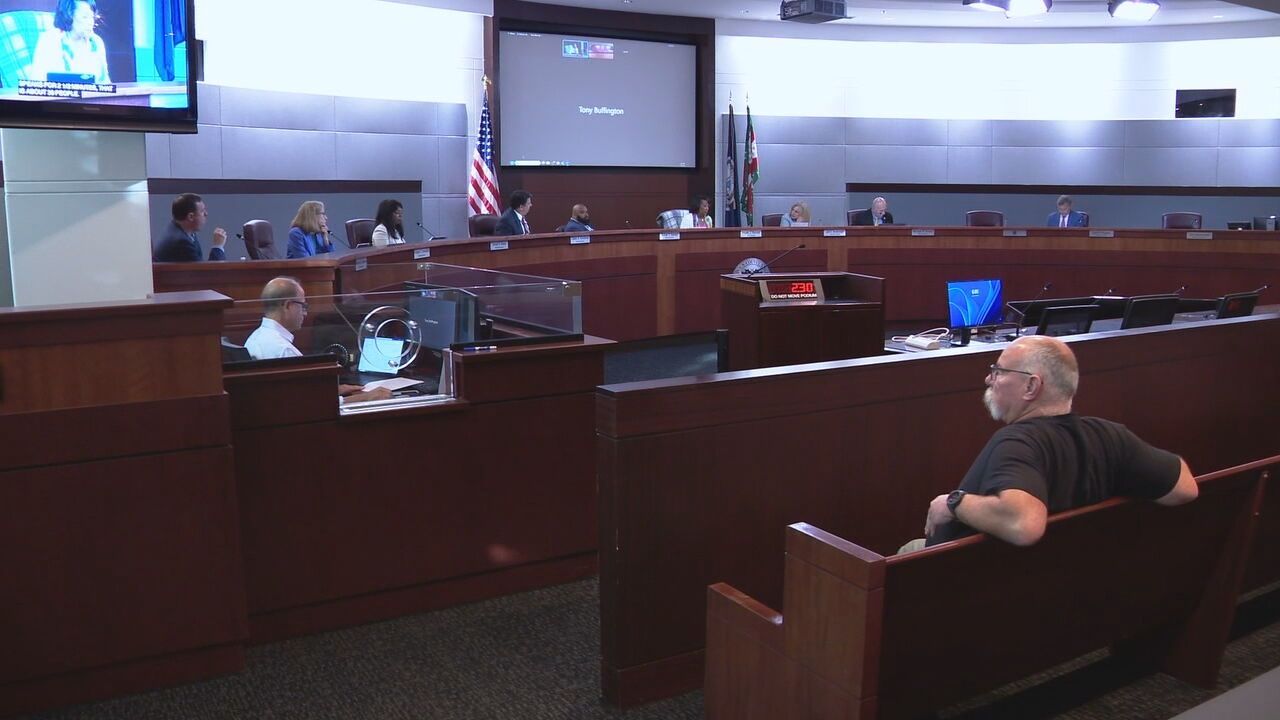
Loudoun County is governed by a nine member Board of Supervisors. The chair of the BOS is elected by all of Loudoun County, and the other eight members represent the different election districts in the county. All nine members serve terms of four years. The BOS sets county policies, adopts ordinances, appropriates funds, approves land rezonings and special exceptions to the zoning ordinance, and carries out other responsibilities. The BOS appoints a county administrator and the Planning Commission, which serves in an advisory capacity on land use issues.
Every few years the BOS defines a Comprehensive Plan, that lays out the general vision Loudoun has for future development, and defines different “place types” such as rural, or industrial. In many cases the BOS does not make specific decisions and allows development “by right,” as long as the development plans that meet the standards of the place type.
The Role of the BOS in Data Center and Transmission Line Development
Since the BOS controls zoning ordinances, they can decide whether, where, and how many data centers will be in Loudoun. They also decide on zoning exceptions needed for power generation stations and substations. They regulate County property taxes and give data centers a sales tax exemption.
The BOS is unable to block data center development on the basis of power availability. Virginia law requires the power companies to make power available. The BOS also has no authority to block or decide on the location of transmission lines, the State Corporation Commission (SCC) has that authority. The SCC follows previously established guidelines under Virginia law to determine whether a proposed line is an acceptable solution to a verified problem with the power grid, and their decisions override local zoning ordinances. Loudoun County can contribute to political pressure by working with representatives in the General Assembly and the Governor, and it can intervene in specific SCC cases, or participate in subsequent court cases that might challenge an SCC decision. One of the most powerful tool for the BOS to control transmission lines is controlling any zoning exception that might be needed for critical substations. The PATH transmission line was halted by the refusal of Frederick County, MD to grant a zoning exception for the final substation, despite court cases and appeals.
In the early 2000s, the Board of Supervisors treated data centers like ordinary office parks, which allowed them to be built “by right” with little discretionary review. As data centers grew in number and size, the Board moved to roll back that by-right status, but many applications already in the pipeline had to be grandfathered in. Going forward, the Board will review each data center application on its own merits.
The BOS does react when there is a large group of citizens who are against a plan. Sometimes, however, there is a limit to what they can do because of law, prior decisions and the specific circumstances. Most effective is speaking at public hearings, there is time provided after each item for public input. Also, they can be emailed all together at bos@loudoun.gov, or individually. https://www.loudoun.gov/86/Board-of-Supervisors